
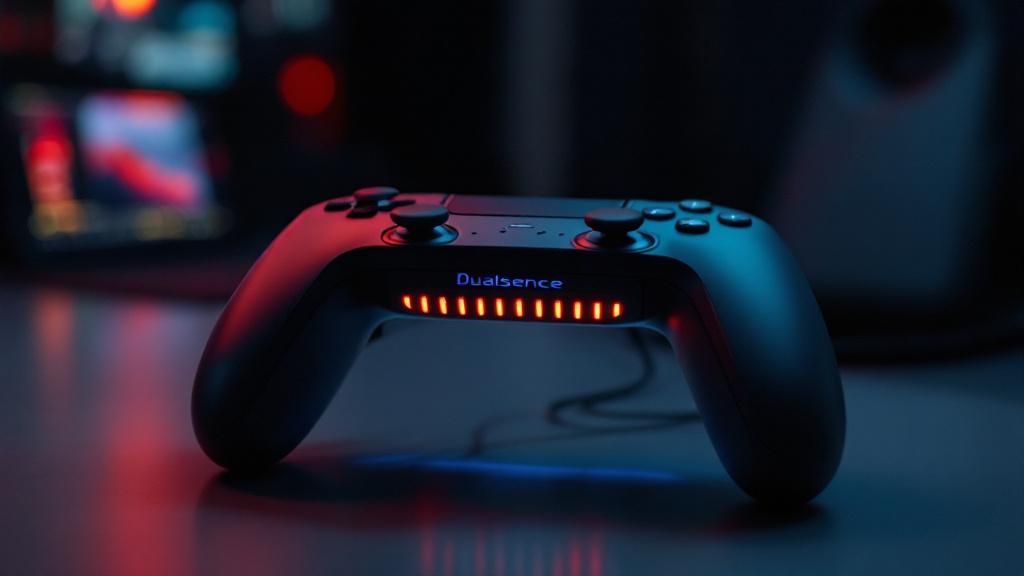
The PlayStation 5’s DualSense controller marks a quantum leap in gaming immersion, transforming how gamers interact with digital entertainment through cutting-edge tactile feedback technology. This innovative controller goes beyond traditional vibration, providing refined haptic sensations that erase the distinction between digital and physical. From the delicate resistance of a bowstring to the rumble of an engine, the DualSense’s advanced haptic motors produce remarkable sensory experiences. This article explores the advanced technologies powering these innovations and assesses how they are revolutionising the future of gaming.
Sophisticated Haptic Feedback Systems
The DualSense controller’s haptic feedback system constitutes a revolutionary advancement in gaming peripheral design, profoundly altering how users experience and connect with virtual environments. Unlike traditional vibration systems, the dual haptic actuators within the DualSense employ sophisticated haptic technology to deliver precise, nuanced sensations across a extensive variety of vibration patterns and force levels. This innovative methodology permits developers to craft highly intricate haptic sensations that adjust continuously to in-game events, whether recreating the tactile quality of distinct surfaces, the weapon recoil, or the subtle vibrations of ambient effects that had previously gone undetected to players.
The system behind the DualSense’s tactile response works through advanced linear resonant actuators (LRAs) strategically placed within the controller’s grip. These complex mechanisms can produce haptic effects to remarkable precision, allowing for rapid frequency modulation and intensity variations that deliver engaging sensory experiences. The system’s ability to generate both high-frequency vibrations and low-frequency rumbles at the same time permits developers to stack various haptic effects, producing rich, multidimensional tactile experiences that enhance user engagement and involvement throughout extended gaming sessions.
Combination of haptic feedback with the controller’s dynamic tension technology creates a immersive tactile ecosystem that elevates gameplay to extraordinary levels of immersion and engagement. Players feel genuine resistance when manipulating in-game objects, with the controller continuously modulating tension based on contextual gameplay elements. This interconnected partnership between haptic feedback and adaptive triggers ensures that tactile sensations feel true-to-life and reactive, encouraging players to participate more intentionally with their in-game world and building stronger emotional bonds to gaming narratives.
The intricacy of the DualSense’s haptic implementation extends beyond basic vibration effects, utilising AI-driven systems that process gameplay data as it happens. This intelligent system refines haptic output based on personal player choices, in-game environments, and play contexts, delivering tailored sensory responses. Developers can leverage comprehensive haptic design tools that facilitate the development of bespoke feedback patterns, allowing unparalleled design flexibility in building engaging interactive gameplay that respond authentically to gameplay interactions and in-game environmental changes.
Industry adoption of DualSense haptic technology has catalysed a fundamental shift in game design philosophy, with developers more and more placing emphasis on tactile feedback as a core gameplay element rather than a secondary addition. Leading titles demonstrate the game-changing possibilities of sophisticated haptic implementation, showcasing how nuanced tactile sensations enhance player agency and emotional connection. As developers continue exploring the technology’s capabilities, haptic feedback promises to become an essential part of next-generation gaming, significantly changing how players engage with and experience interactive entertainment in various genres and formats.
Adaptive Trigger Advancement and Immersive Gameplay
The DualSense controller’s adaptive triggers showcase a paradigm shift in video game design, introducing variable resistance that responds to gameplay situations. These advanced systems enable developers to recreate realistic tactile experiences, from pulling back a bow to speeding up a car, creating immersive haptic sensations. Players experience genuine resistance that responds to gameplay mechanics, transforming button presses into contextual actions that enhance engagement and engagement throughout gameplay experiences.
Adaptive Opposition and Player Engagement
Adaptive triggers fundamentally change how players interact with virtual environments by delivering graduated tension that mirrors real-world mechanics. Whether wielding a gun, operating machinery, or executing complex manoeuvres, the triggers’ variable tension creates realistic tactile sensations. This advancement ensures that every control input feels purposeful and grounded, significantly enhancing the sense of presence within game worlds and strengthening player engagement in gameplay narratives.
The system enables designers to craft intricate game mechanics previously impossible with traditional input devices. Dynamic triggers allow for refined difficulty adjustment, where tension rises proportionally to in-game challenges, delivering responsive input without screen indicators. This seamless integration of physical sensation and gameplay systems produces more intuitive control schemes, reducing cognitive load and allowing players to concentrate fully on engaging gameplay.
Industry Impact and Emerging Opportunities
Adaptive trigger technology has fuelled widespread industry adoption, with developers across multiple platforms recognising its revolutionary impact. From action-adventure titles to sports simulations, this advancement has become central to contemporary game design, elevating production values and player satisfaction. The technology’s versatility demonstrates how considered equipment advancement can substantially transform gaming experiences and establish fresh sector benchmarks for immersion.
Looking forward, adaptive trigger technology offers even greater sophistication as developers master its capabilities. Future implementations may integrate machine learning algorithms that tailor resistance patterns based on player preferences, skill levels, and individual needs. This evolutionary approach ensures gaming experiences stay engaging and innovative, cementing the DualSense’s position as a cornerstone technology driving next-generation gaming innovation forward.
Next-Generation Gaming Innovations
The DualSense controller’s haptic feedback system is set to create new industry standards, with developers growing to recognise its ability to enrich storytelling and player engagement. As game design progresses, haptic feedback shall be fundamental to narrative presentation, allowing players to physically sense emotional beats and world shifts. This shift promises to reshape gaming from a primarily visual and auditory medium into a fully multisensory experience that enthrals audiences in remarkable ways.
Looking forward, the merging of haptic technology with AI and machine learning systems will allow controllers to adapt feedback in real time in response to player conduct and preferences. Such innovations could generate customised gaming experiences where haptic feedback respond dynamically to personal play styles, difficulty levels, and emotional involvement. This convergence of technologies constitutes an thrilling frontier where gaming grows increasingly immersive and adaptive to every player’s specific needs.
The DualSense controller showcases how carefully considered advancement can fundamentally reshape interactive entertainment. As developers continue exploring haptic possibilities and consumers adopt these tactile improvements, the gaming industry will undoubtedly witness a landmark shift. The future holds gaming experiences that transcend traditional boundaries, delivering remarkable degrees of immersion and engagement that will transform player expectations for generations to come.
